How Waterproof Canvas Shields Campers in Heavy Rainfall
Couple of points test a camping journey like a sudden downpour. The difference between a miserable, soggy night and a warm, dry one frequently comes down to a single material option: the canvas your camping tent or gear is made from. Water resistant canvas has ended up being a preferred among seasoned outdoor enthusiasts, and permanently reason. It combines resilience with genuine water resistance in a way that lighter, less expensive fabrics simply can not match. Understanding just how it functions, and why it stands up so well versus hefty rain, can help you make smarter decisions the next time you get ready for the outdoors.
What Makes Canvas Different from Other Outdoor Tents Fabrics
Canvas is a securely woven textile, commonly made from cotton or a cotton-polyester mix. Unlike nylon or polyester camping tents, which depend practically entirely on a thin water-proof layer, canvas obtains part of its water resistance from the fibers themselves. When cotton fibers get wet, they swell slightly, which tightens the weave and makes it also harder for water to travel through. This natural behavior, combined with a waterproofing therapy, offers canvas a double layer of defense that many artificial materials lack.
Manufacturers typically deal with canvas with wax, paraffin, or artificial waterproofing agents. These treatments layer each fiber, triggering water to bead up and roll off the surface area as opposed to soaking in. The result is a textile that shakes off stable rain as opposed to gradually absorbing dampness gradually.
Exactly How Waterproof Canvas Executes Throughout Heavy Rainfall
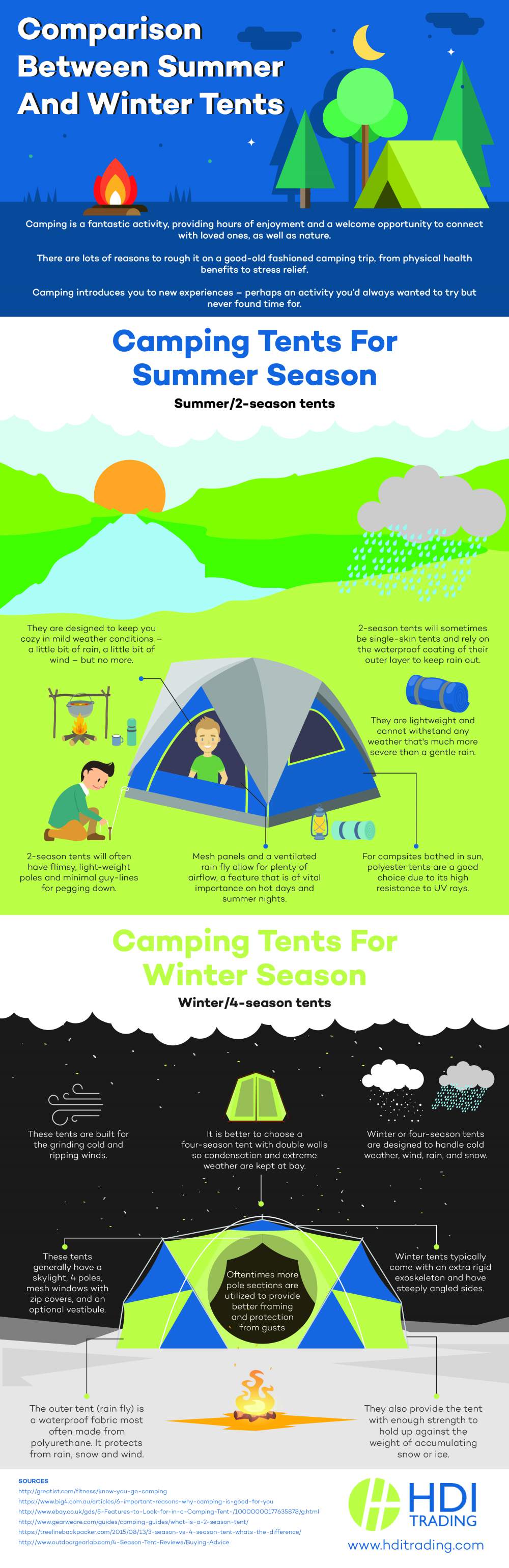
During a heavy tornado, the most significant threats to a sanctuary are pooling water, wind-driven rain, and long term saturation. Water resistant canvas addresses all 3. Its thick weave resists infiltration even when rain is dropping at a steep angle or being pressed laterally by wind. Because the textile is thicker than many artificial options, it also stands up to abrasion from branches, rocks, or debris that could otherwise puncture a thinner product and create a leakage point.
An additional advantage is just how canvas manages sustained direct exposure. Some fabrics do well simply put ruptureds of rain yet begin to fall short after hours of constant dampness. Canvas, particularly when effectively treated, keeps its water-resistant residential or commercial properties over prolonged downpours, which is exactly when campers require protection the most.
Breathability and Condensation Control
One forgotten benefit of canvas is breathability. Totally water resistant artificial materials can catch moisture inside a camping tent, leading to condensation accumulation on the indoor walls. This moisture can be just as uneasy as a real leak. Canvas, on the other hand, enables a percentage of air exchange even while obstructing external water. This assists manage humidity inside the camping tent, maintaining sleeping bags, garments, and equipment drier throughout the night.
This breathability does not come with the cost of security. The limited weave and waterproof therapies still protect against rain from surviving, while permitting interior dampness to escape slowly. It's an equilibrium that artificial fabrics commonly battle to achieve.
Sturdiness That Expands Protection In Time
Hefty rainfall frequently includes wind, hail storm, or glamp tents debris, every one of which can wear down flimsier products quickly. Canvas is inherently a lot more sturdy. Its thicker fibers resist tearing and stretching, which indicates the water-proof coating stays intact longer as opposed to fracturing or peeling away after repeated exposure. This toughness converts straight into reliability: a canvas camping tent that has weathered a number of tornados is usually just as protective as it was on day one, supplied it has actually been looked after effectively.
Proper maintenance plays a role here too. Reapplying a waterproofing treatment regularly, drying out the canvas completely after each journey, and saving it far from long term sunshine all help protect its rain-resistant top qualities for years.
Why Campers Continue to Choose Canvas
Despite being larger than modern-day synthetic products, canvas stays a leading option for campers who prioritize long-lasting dependability over ultralight comfort. Bushcraft campers, hunters, and those who camp in unforeseeable climates frequently choose canvas camping tents and tarps particularly since they hold up so well when the weather turns hostile. The mix of all-natural fiber actions, safety therapies, and structural sturdiness makes canvas distinctively fit to deal with sustained, heavy rainfall.
Last Ideas
Water-proof canvas isn't simply a standard material clinging to relevance, it's a truly reliable option for remaining dry in difficult conditions. Its snugly woven framework, water-repelling therapies, and breathable style work together to keep campers shielded throughout even the heaviest storms. For anyone preparation journeys into unpredictable climate, buying high quality waterproof canvas gear can make the distinction in between a messed up outing and a comfy, completely dry experience.